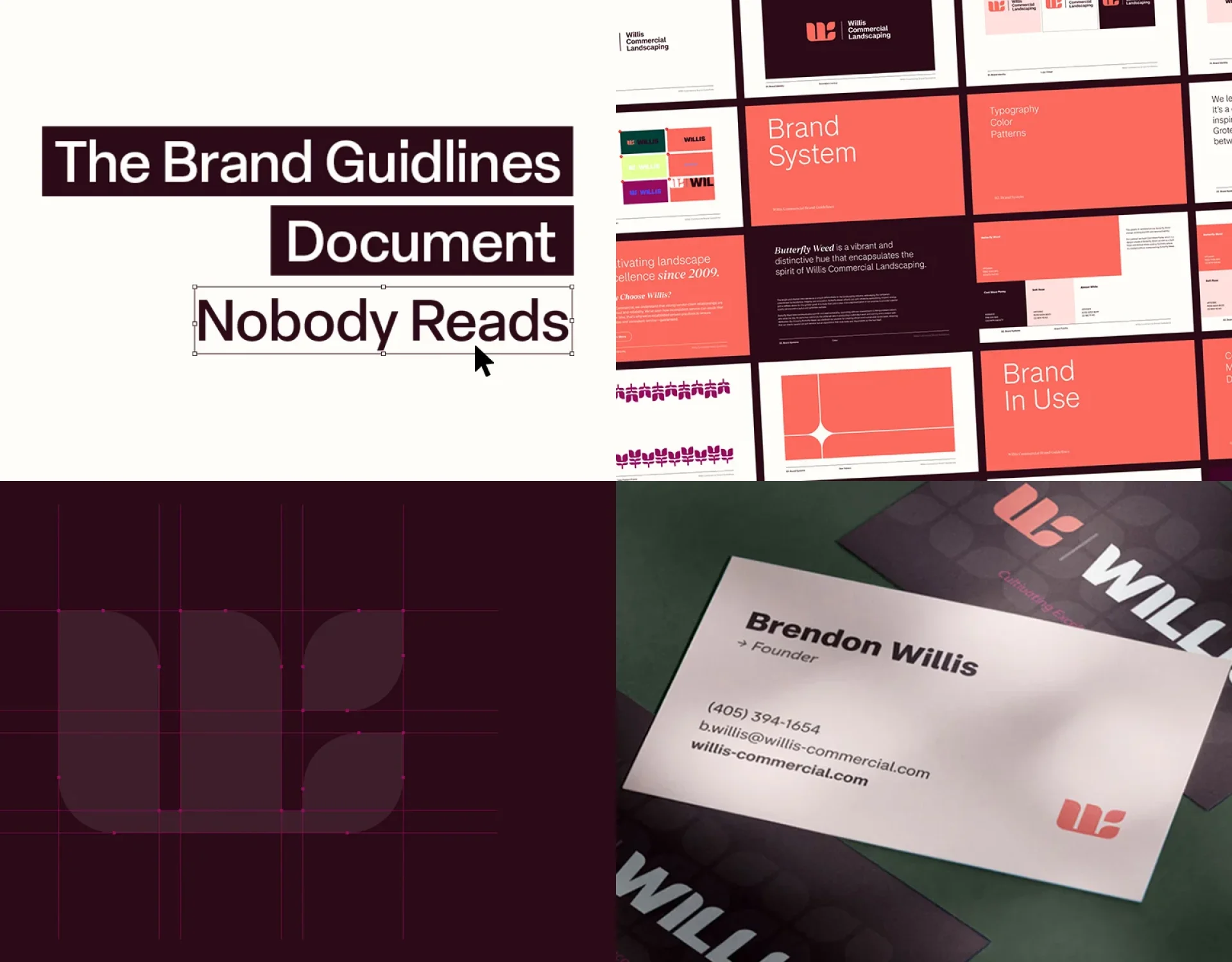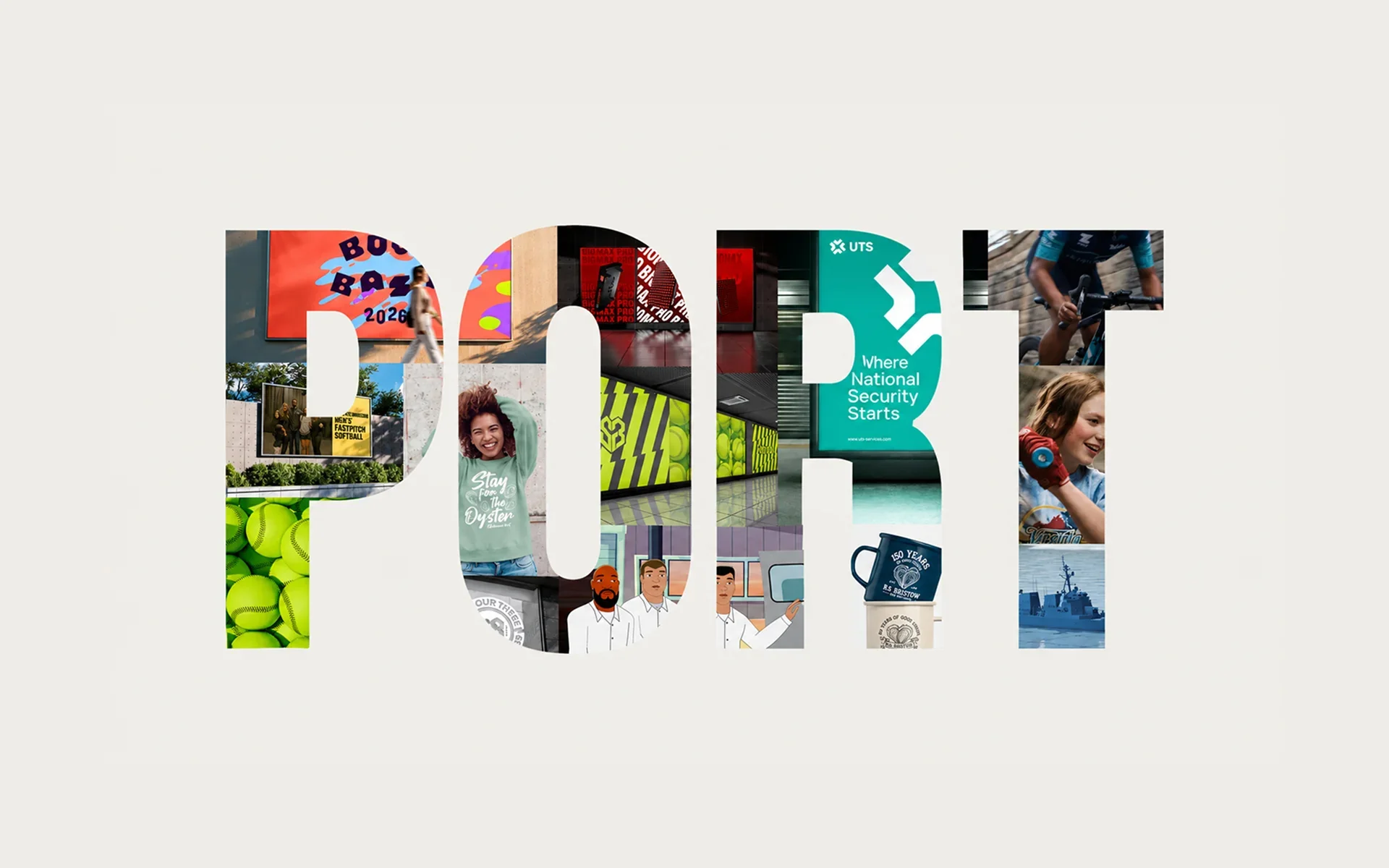
Most people evaluate a creative studio the same way they evaluate a restaurant based on its plating: does the food look good in the photo? A portfolio full of slick logos, polished animations, and gorgeous typography feels like proof of quality. And sometimes it is. But it’s also the easiest thing for a studio to curate around — which means it’s often the least useful signal in your entire vetting process.
If you’re about to hire a creative partner, here’s what actually separates a studio that will solve your problem from one that will just make things that look nice.
Stop Asking “Do I Like This?”
This is the hardest instinct to override, because taste is emotional and hiring decisions feel like they should be logical. But “do I like this?” is the wrong question for one simple reason: you’re not the audience. Your customers are.
A portfolio piece can be visually stunning and completely wrong for your brand, your industry, or the person you’re trying to convert. The better question is: did this work do its job? Did the rebrand increase recognition? Did the campaign move a business metric? Did the explainer video actually explain something, or did it just look expensive while explaining nothing?
Studios that can answer that question — with specifics, not vibes — are worth a second look. Studios that can only talk about the aesthetic choices they made are showing you half the story.
Look for Range Within a Point of View
There’s a difference between a studio that can do “anything” and a studio that has a strong point of view but knows how to flex it across different problems. The first is a red flag. If every project in a portfolio looks wildly different in tone, style, and quality, that often means the studio doesn’t have an internal process — they’re reacting to each client’s taste rather than bringing their own expertise to the table.
What you want instead is variety within consistency: work that clearly came from the same strategic thinking, even when the visual execution looks completely different from project to project. That’s a sign the studio understands brand problems deeply enough to solve them differently each time, rather than running every client through the same template.
Read the Case Studies, Not Just the Visuals
A portfolio without context is just a gallery. The projects worth paying attention to are the ones with an actual case study attached — what the client’s problem was, what the studio decided to do about it, and what happened afterward.
If a studio’s site is all image and no explanation, that’s not necessarily disqualifying, but it does mean you’ll need to ask more questions in the discovery call. Pay attention to how specifically they can answer “why did you make that choice?” A studio with a real process behind their work can walk you through their reasoning. A studio just chasing trends usually can’t get past “we thought it looked cool.”
For what it’s worth, this is exactly why Design Noon frames its own portfolio around outcomes rather than just visuals — the goal is to show why something worked, not just what it looked like when it was finished.
Check the Industries — But Don’t Overweight Them
A lot of buyers make the mistake of only shortlisting studios that have worked in their exact industry before. That’s not a terrible instinct, but it’s overrated. Deep familiarity with your specific space is nice to have; strong strategic thinking is non-negotiable.
In fact, some of the best creative work comes from studios that bring outside perspective to a category that’s gotten stale and predictable — a fresh set of eyes that hasn’t absorbed the industry’s unspoken assumptions about what a brand or campaign is “supposed” to look like. If a studio’s portfolio spans multiple industries but shows the same sharp thinking in each one, that’s often a better signal than narrow specialization.
Notice What They Choose to Show You
Every studio curates their portfolio, which means what’s included is only half the signal — what’s conspicuously absent matters too. If a studio only shows finished hero shots with no process work, no early concepts, no evidence of iteration, ask to see it. A studio confident in their process will happily show you the messy middle. One that only shows the polished end result might be hiding a chaotic or client-dependent process behind a pretty final frame.
It’s also worth asking how recent the work is. A portfolio that hasn’t been updated in two years tells you either the studio has been quiet, or they’re leading with their strongest work regardless of age — both worth asking about directly.
The Real Test: Ask Them to Walk You Through One Project
The single best way to evaluate a portfolio is to pick one project and ask the studio to talk you through it in a call — not present it, talk through it. What was the brief? What didn’t work in the first round? What would they do differently now?
How a studio talks about their own work — with honesty about trade-offs and failed directions, not just a highlight reel — tells you far more than the polish of any single image. A creative studio that can be candid about what didn’t work the first time is one that’s confident enough in their process to be transparent about it, and that’s usually the studio that will tell you the truth mid-project too, not just at the pitch stage.
What a Great Portfolio Actually Proves
A great portfolio doesn’t prove a studio can make things look good — most experienced studios can clear that bar. It proves they can think clearly about a problem, make deliberate choices in service of that thinking, and stand behind the reasoning when you ask them to explain it.
Next time you’re scrolling through a studio’s work, resist the urge to just look. Ask what problem each piece was solving, and whether it actually solved it. That’s the portfolio review that actually predicts how the partnership will go.