Every small business owner eventually gets the same advice from three different directions: post more, run ads, get a bigger following, and do it all by Friday. Some of it is useful. A lot of it is folklore, repeated so often it starts to sound like strategy.
At Design Noon, a Washington DC creative agency working across branding, web, motion and marketing, we see the same myths show up in kickoff calls again and again. They are rarely held out of foolishness. They are held because they were once partly true, or because they are easy to sell. Here are the ones costing small businesses the most, and what to do in their place.
Myth 1: “We need to be on every platform”
The fear of missing out is the most expensive habit in small business marketing. Being on six platforms with thin, inconsistent content does less than being excellent on one or two.
Start with where your buyers actually make decisions. A law firm in Arlington and a coffee roaster in Georgetown do not need the same channel mix. B2B services often earn more from LinkedIn and search than from short-form video. A restaurant or retail brand may live or die on Instagram and Google Maps.
What to do instead: pick two channels, define what each one is for, and give them real production quality. Add a third only when the first two run without strain.
Myth 2: “SEO is dead” (or its cousin, “SEO is a one-time setup”)
Search has changed. AI summaries, local packs and richer results all change what a click looks like. But people still search when they have a problem and a budget, and that intent is the most valuable traffic a small business can earn.
The opposite myth is just as costly: that SEO is a box you tick at launch. Search visibility is built through relevant content, a technically sound site, clear service pages and trust signals that accumulate over time. Google’s own SEO Starter Guide is blunt about this: it rewards sites that are genuinely helpful and easy to understand.
What to do instead: treat small business SEO as a habit, not a project. Publish useful answers to the questions your customers really ask, keep your service pages specific, and review performance quarterly.
Myth 3: “A pretty website is a good website”
Design matters enormously, and we say that as designers. But a site that looks beautiful and loads slowly, hides its phone number or buries its offer is a brochure, not a business tool.
A high-performing small business website does four things well. It communicates what you do in the first few seconds. It works smoothly on a phone. It loads quickly, which you can check against Google’s Core Web Vitals benchmarks. And it makes the next step obvious, whether that is booking, calling or requesting a quote.
This is why we approach web design and development as one discipline rather than two. The design earns attention, the build keeps it, and the structure helps search engines understand it.
What to do instead: judge your site by outcomes: enquiries, bookings and sales, not by how it looks in a portfolio screenshot.
I removed the external web.dev link and kept the design-noon.com link, since it points to your own site. If you want that one removed too, let me know.
Myth 4: “Branding is just a logo”
A logo is a signature. A brand is the reason someone picks you when three competitors look equally qualified on paper.
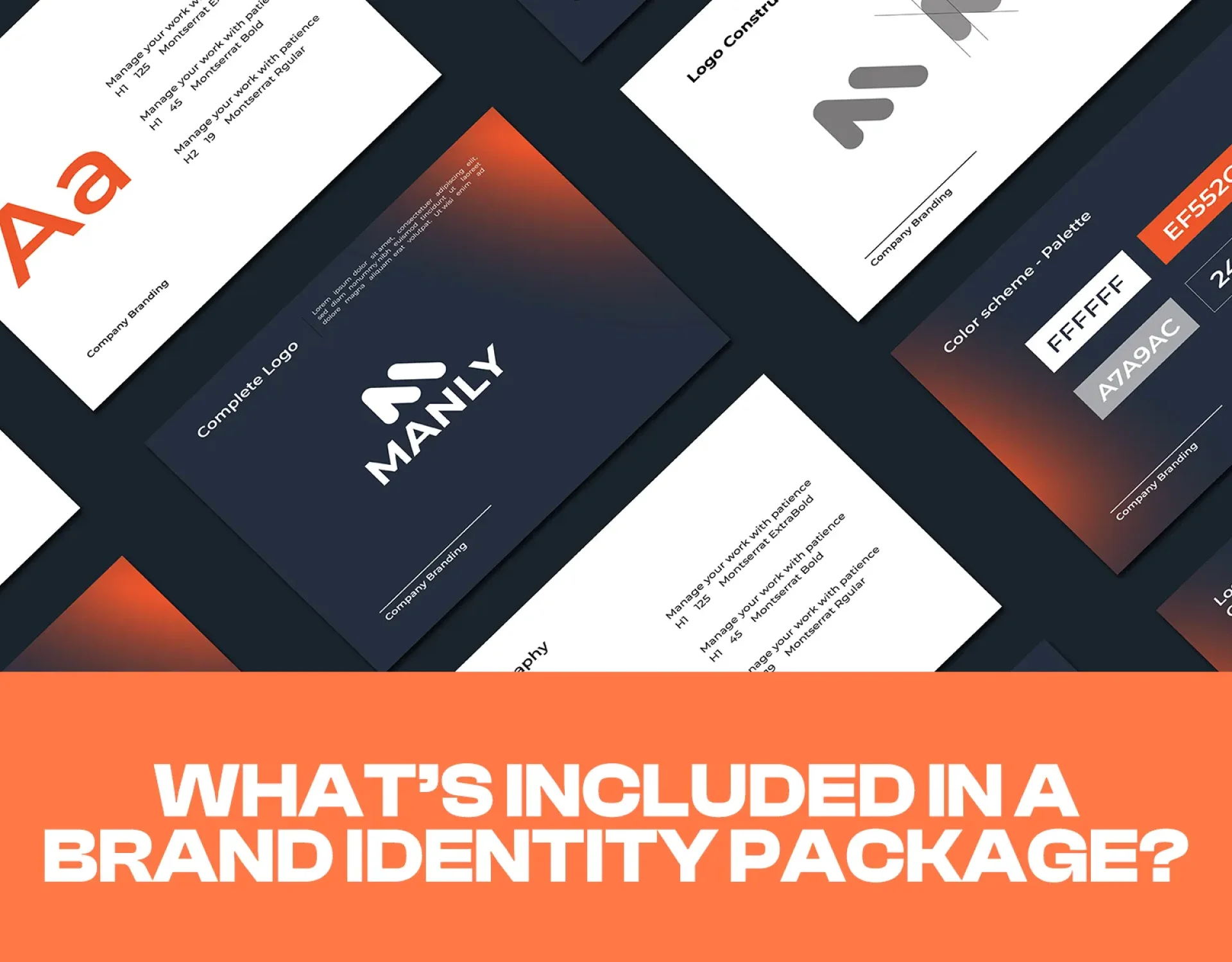
Small businesses often skip brand work because it feels like a luxury, then spend years compensating with discounts and ad spend. A clear brand identity, including voice, visual system and positioning, makes every later marketing dollar work harder. Your ads, your website, your proposals and your social posts all start to feel like the same confident company.
You can see how this plays out across the identity work in our portfolio, from WILLIS to Beachwalk to UT Services. Different industries, same principle: consistency is what makes a business memorable.
What to do instead: invest in a real branding and graphic design foundation before scaling spend. It is the cheapest way to make everything downstream perform better.
Myth 5: “Followers equal customers”
Follower counts are easy to see, so they become the scoreboard. But a large audience that never buys is a vanity metric, and a small audience of the right people can sustain a business.
The numbers worth watching are the ones close to revenue: leads generated, enquiries from each channel, cost per acquisition, repeat purchase rate and the share of customers who found you through a referral or search. Engagement matters when it points toward those outcomes, not as a goal in itself.
What to do instead: decide what a customer is worth, work out which channels produce them, and report on that. If a metric cannot be tied to a decision, stop tracking it.
Myth 6: “Digital marketing is too expensive for a small budget”
It is true that you cannot out-spend a national brand. It is not true that you need to. Small businesses win on specificity: a clear local focus, a distinct point of view and work that feels human.
On a modest budget, the highest-return moves are usually unglamorous. Make sure your own website answers the questions people ask before they call, with clear contact details, services and location. Build an email list you own, so you are never dependent on someone else’s platform to reach your customers. Produce a handful of strong assets, such as a short brand video or a clean animation, and reuse them across channels rather than producing endless one-off content.
If you need steady creative output without hiring full-time, a design retainer can cost far less than an in-house designer or art director, while keeping your work consistent.
What to do instead: spend less on volume and more on the few assets that do the heavy lifting.
I took out the Google Business Profile line, since that was the only outside platform mentioned, and replaced it with a point about your own website. If you meant a specific link or site I missed, paste it and I’ll remove that too.
Myth 7: “Marketing works fast, or it doesn’t work”
Paid ads can produce results within days. Almost everything else compounds more slowly: search rankings, brand recognition, email lists and referral reputation. The mistake is judging a long-game channel on a short-game timeline, then abandoning it just before it pays off.
A healthier approach is to run both in balance. Use paid campaigns to learn quickly what messages resonate, then feed those lessons into your website, content and brand. Give organic channels at least a few months before you decide they are failing, and agree on what progress looks like before you start.
What to do instead: set expectations by channel. Fast channels get weekly review. Slow channels get quarterly review and patience.
Myth 8: “We can handle design and marketing in separate silos”
One freelancer builds the site, another designs the social posts, a third runs ads, and nobody owns the whole picture. The result is a business that looks slightly different everywhere, and a message that changes depending on where you meet it.
Integrated marketing, where brand, web, content and campaigns share one strategy, is not just a big-company luxury. For a small team, it saves time, reduces rework and makes your marketing feel intentional. This is the reasoning behind the omnichannel approach we take at Design Noon, from identity systems and video production to 2D and 3D animation and campaign work.
What to do instead: nominate one owner for the big picture, whether that is you, a marketing lead or an agency partner, and make every channel answer to the same brand and goals.
A simple way to test any marketing advice
Before acting on the next piece of advice you hear, ask four questions:
- Who exactly is this meant to reach?
- What action do we want them to take?
- How will we know it worked?
- Does it strengthen the brand, or dilute it?
If you cannot answer all four, the tactic is not ready, however popular it is.
Finding the right digital marketing partner in the DC area
Small businesses in Washington, Northern Virginia and Maryland operate in a crowded, credentialed market where trust is won quickly and lost just as fast. The strongest local brands tend to share the same traits: a clear identity, a website that works hard, and marketing that stays consistent across every touchpoint.
If you are weighing up a digital marketing agency in DC or a creative partner who can connect branding, web development and campaigns under one roof, we would be glad to talk. Explore our recent work, see how our agency approach fits your goals, or get in touch for a conversation about what would move the needle for your business.