Every branding agency looks brilliant in a portfolio. The case studies are cropped beautifully, the mockups sit on perfect coffee cups, and the process slide always has four tidy circles.
The real test is quieter. Put three of an agency’s logos side by side with the names covered. If you can’t tell which client is which, because they share the same geometric mark, the same soft gradient and the same “modern, clean, trustworthy” typography, you aren’t looking at a branding agency. You’re looking at a template shop with a good photographer.
This guide is for founders, marketing leads and executive directors who are about to hire a branding agency and want to avoid paying custom prices for a recycled result. It covers how template branding hides, what real brand work includes, and the specific questions that separate expertise from polish.
What “getting sold a template” actually looks like
Template branding rarely announces itself. Nobody pitches “we’ll reskin the last client’s identity.” It shows up in the process:
The logo arrives before the thinking does. If the first deliverable is a set of logo options and no one has asked you who you’re losing business to, you’re getting decoration, not strategy.
The research is a questionnaire. A twelve-question intake form isn’t discovery. Real discovery involves conversations with your team, a hard look at your competitors, and a view of how your customers actually describe you.
Every project has the same timeline and price. Brands differ. A ten-person professional services firm and a multi-location hospitality business need different depth. A fixed package that ignores that difference is a sign of a fixed output.
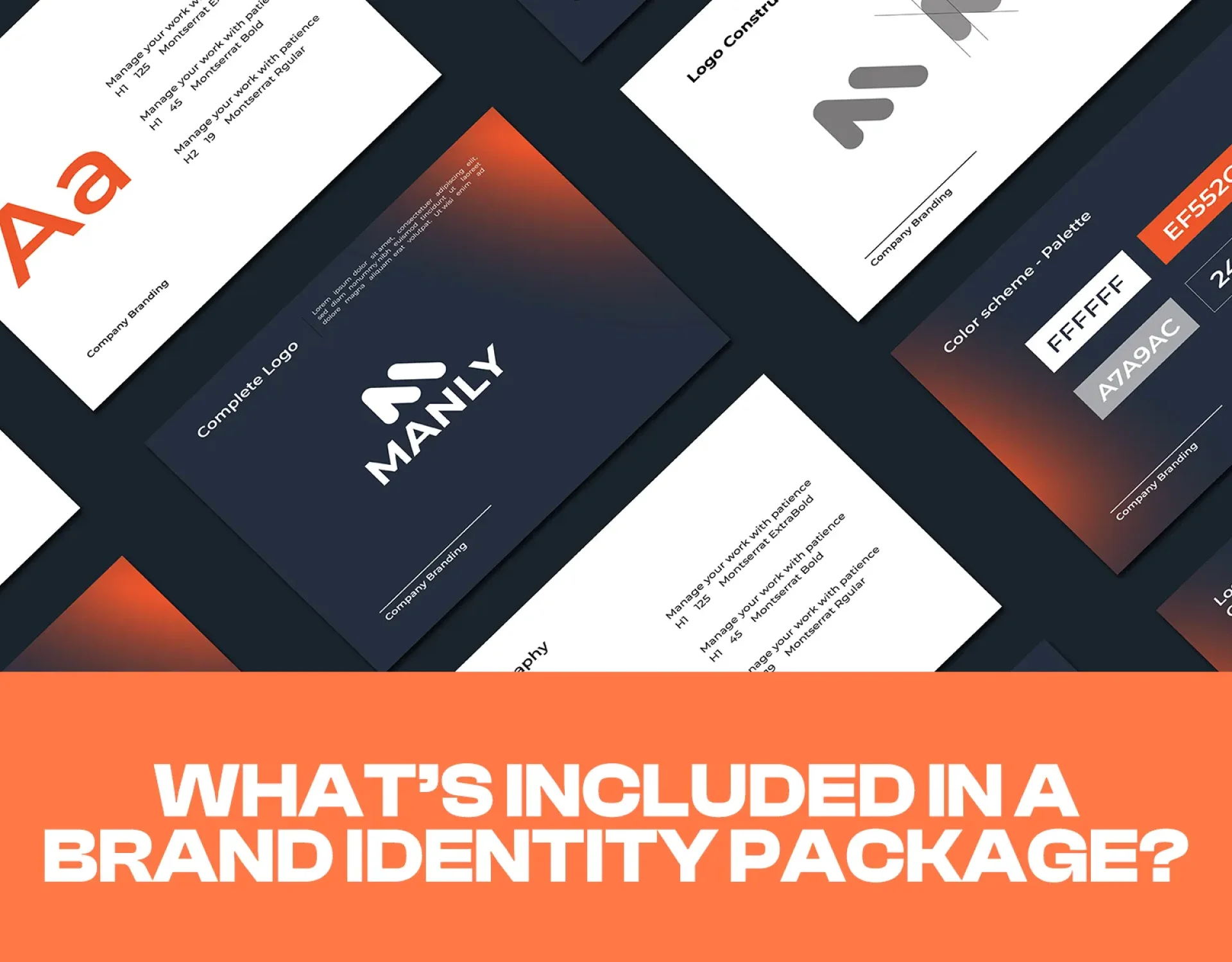
The “brand guidelines” are a color palette and two fonts. A real identity system explains how the brand behaves: how it speaks, where it sits on a page, what it looks like in motion, and what to do when it meets a situation nobody planned for.
The agency can’t explain why. Ask why a particular shape, color or typeface was chosen. If the answer is “it felt right” or “it’s on trend,” that’s a taste argument. A strong answer ties each decision back to positioning, audience or a competitive gap.
What real branding work includes
Branding is not a logo. A logo is one visible artifact of a much larger set of decisions. When you evaluate a branding agency, look for evidence of each of these layers:
1. Discovery and positioning. Before anything is drawn, the agency should understand what you do, who you serve, why people choose you, and where you’re easy to confuse with competitors. The output is a clear position: the one idea you want to own.
2. Naming and messaging, where needed. If you’re launching or rebranding, the name, tagline and tone of voice shape everything that follows. Agencies that only handle visuals leave a gap here that someone, usually you, has to fill.
3. Identity design. Logo, color, typography, imagery style, iconography and layout principles, designed as a system rather than a collection of files. A good identity should work at the size of a favicon and the size of a building wrap.
4. Application across real touchpoints. Packaging, signage, environmental design, decks, social, video, and especially your website. This is where template work falls apart, because a generic identity can’t flex across contexts without looking generic in each one.
5. Rollout and ongoing support. Brands decay when no one maintains them. Ask how the agency helps after launch, whether through templates, training or an ongoing design retainer.
If an agency’s scope stops at layer three, you’ll end up doing the hard work of layers one and four yourself.
Read a portfolio like a strategist, not a shopper
Most people judge portfolios on visual appeal. That’s the least useful lens. Instead, ask four things of every case study:
- Is there a problem stated? “We refreshed their brand” isn’t a problem. “They were being mistaken for a larger competitor and losing mid-market bids” is.
- Do the projects look different from one another? Range is evidence of listening. Sameness is evidence of a house style being applied to every client.
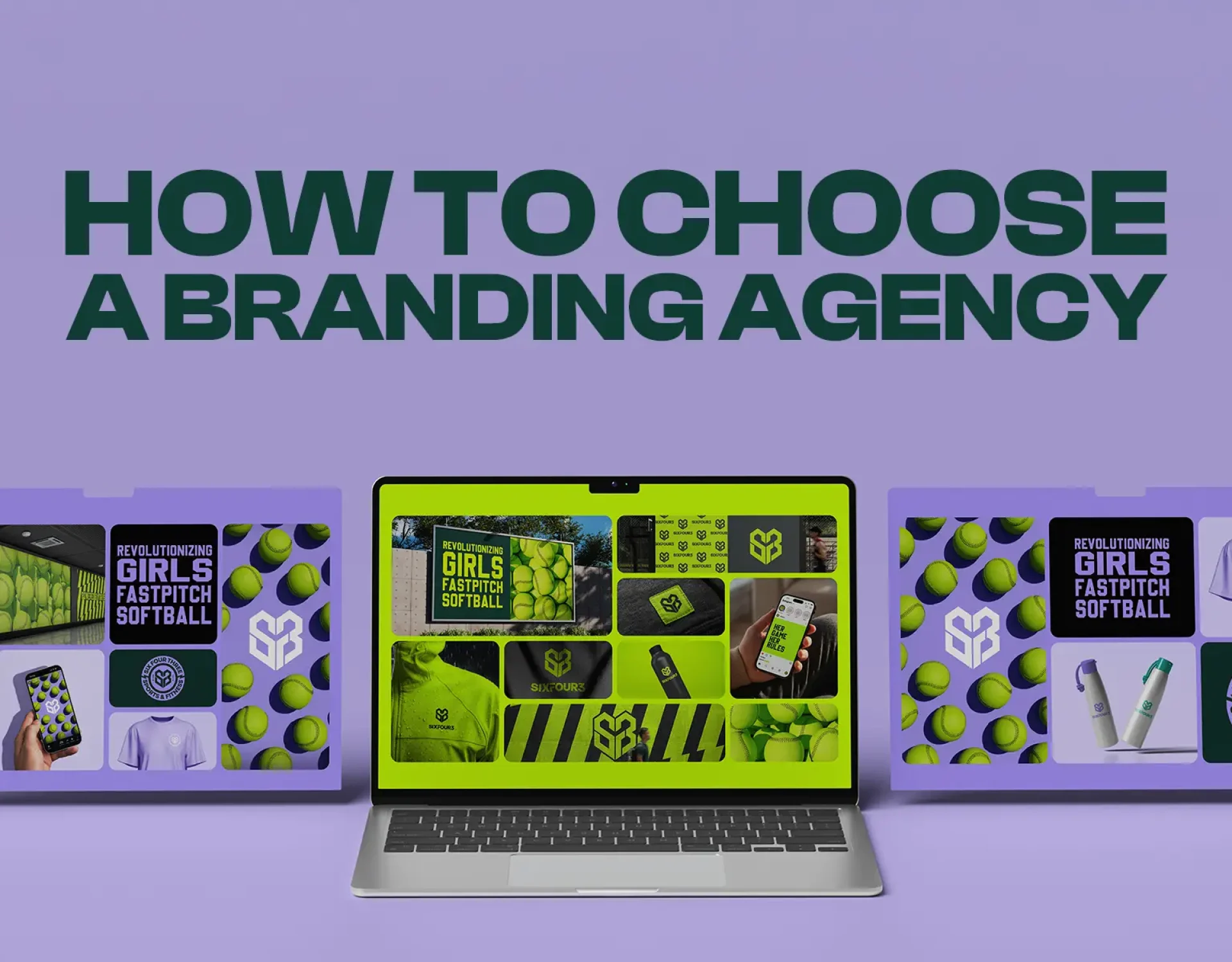
- Does the work extend beyond the logo? Look for the identity in use: websites, motion, packaging, signage.
- Are the industries credible to you? You don’t need an agency that has served your exact niche, but you do want proof they can adapt.
On Design Noon’s work page, for example, you’ll see branding projects for a landscaping company (WILLIS), a motel (Beachwalk) and a services business that also required web design, development and 3D animation (UT Services). Those clients have almost nothing in common visually, which is exactly the point. Use that same test on any agency you’re considering.
Branding and web development should not be separate conversations
A surprisingly common mistake is hiring a branding agency, receiving a beautiful identity, and then handing it to a separate web team who’ve never met the brand’s strategist. The result is a site that technically uses your colors but doesn’t feel like you.
An integrated partner that handles branding, web design and development, motion and animation and video production under one roof keeps the thinking continuous. The person who defined your positioning is in the room when the homepage hierarchy is decided.
That continuity matters for search too. A brand with a clear point of view produces clearer page copy, tighter messaging and more distinctive content, all of which help a site compete when someone searches for a digital marketing partner or a creative agency in the DC area. Google’s own Search Central documentation emphasizes helpful, people-first content, and brand clarity is where that starts.
If you do split the work between agencies, make sure the brand guidelines are detailed enough that the second team can extend the identity without guessing.
Does a local branding agency matter?
Sometimes yes, sometimes no. Branding can be done remotely, and many of the best relationships are. But for organizations in Washington, DC, Northern Virginia and Maryland, local presence has practical advantages.
The DC region has a particular mix of audiences: associations, government contractors, nonprofits, professional services, hospitality, and fast-growing startups, often all competing for attention in the same few zip codes. A team that works in this market understands the tone that lands with these audiences, the events they attend and the competitors you’ll actually be compared with. Being able to sit across a table during a brand workshop, or photograph a space on site, can also make the work sharper.
If local matters to you, search for a Washington DC creative agency with a visible portfolio, a real address and a team you can speak to before signing anything.
Questions to ask on the first call
A discovery call is as much your interview as theirs. These questions surface the difference between a strategic partner and a template vendor quickly:
- “Walk me through your process, and tell me where it changes from client to client.” Good agencies adapt. Template shops recite.
- “What would you need to learn about my business before designing anything?” You want to hear about customers, competitors and goals before you hear about logos.
- “Who will actually be working on my project?” Some agencies sell with senior talent and deliver with juniors. Ask who designs, who writes and who manages.
- “How do you handle feedback and revisions?” Look for a structured process, not an unlimited free-for-all or a rigid “two rounds, no exceptions.”
- “What do I own at the end?” Confirm you receive full rights and source files, not just exported PNGs.
- “How do you check that a logo is original?” A responsible agency screens for conflicts, and you should still run your own search through the USPTO trademark database before committing to a mark.
- “What happens after launch?” The answer reveals whether they think of branding as a project or a relationship.
Fixed project or retainer? Know which you need
The right engagement model depends on what you’re trying to do.
A fixed-scope project fits a defined moment: a launch, a rebrand, a new website. You know the deliverables, the timeline and the cost up front.
A retainer fits businesses that need a steady flow of design, content and campaign work. Instead of rehiring and re-briefing every time, you have a team that already knows your brand. For many growing companies, that’s more cost-effective than a full-time graphic designer or art director, and it protects consistency. You can read more about how that works on Design Noon’s design retainer page.
Whichever you choose, make sure the proposal states the deliverables, the number of review rounds, the timeline and the ownership terms in plain language.
A quick scorecard for comparing agencies
When you’ve narrowed the field to two or three, score each from one to five on these points:
- Strategic depth: Did they ask better questions than you expected?
- Range of work: Do their projects look like they were made for different clients?
- System thinking: Do they show the brand in use, not just the logo?
- Integration: Can they carry the brand into web, motion and marketing?
- Clarity: Is the proposal specific about scope, timing and ownership?
- Chemistry: Do you want to work with these people for months?
The highest total isn’t always the winner, but a low score on strategic depth is almost always a deal-breaker.
Red flags worth walking away from
- Pricing quoted before anyone has asked about your goals
- Promises of “unlimited concepts” in a few days
- No named people on the team
- A portfolio where every project shares the same look
- Reluctance to explain the reasoning behind design choices
- Contracts that retain ownership of your final identity
Frequently asked questions
How much does a branding agency cost?
It varies widely with scope. A logo-only package costs far less than a full identity system with naming, messaging, guidelines, web and motion. Rather than comparing sticker prices, compare what’s included, and ask for a scoped proposal based on your goals.
How long does a branding project take?
A focused identity project often takes several weeks. A full rebrand that includes research, naming, identity, website and rollout can run for a few months. Agencies promising a complete brand in a few days are usually working from a template.
What’s the difference between a branding agency and a creative agency?
A branding agency focuses on identity and positioning. A creative agency typically covers a wider range, including web design and development, digital marketing, video and animation. If you want your brand and its applications to stay consistent, a full-service creative agency can reduce handoffs.
Do I need a branding agency or just a freelance designer?
A freelancer can be a great fit for a defined, smaller project. An agency makes sense when you need strategy, multiple disciplines and continuity across web, motion and marketing.
Should I hire a local agency in Washington, DC?
It isn’t required, but local knowledge and in-person collaboration can help, especially for organizations whose audiences are concentrated in the DC region.
The takeaway
The best branding agencies don’t sell you a look. They help you decide what you stand for, then build a visual and verbal system that makes that obvious to everyone who meets your company. Ask hard questions, read portfolios for range and reasoning, and be wary of anyone who can show you the logo before they’ve understood the business.
If you’re weighing your options, Design Noon is a full-service creative agency serving the Washington, DC area, working across branding, web design and development, motion, video and digital marketing. Explore the work, learn more about the agency, or get in touch to talk through what your brand needs.