At some point in nearly every animation project, the conversation stalls on the same question: should this be 2D or 3D? It sounds like a stylistic choice, the kind of thing you settle by looking at a mood board and picking whatever looks cooler. In practice, it’s a strategic decision that affects your timeline, your budget, and — more than people expect — whether your message actually lands the way you want it to.
Neither format is “better.” They’re built to do different jobs. Here’s how to figure out which one is actually right for your project, instead of defaulting to whichever style you saw last on LinkedIn.
What 2D Animation Actually Does Well
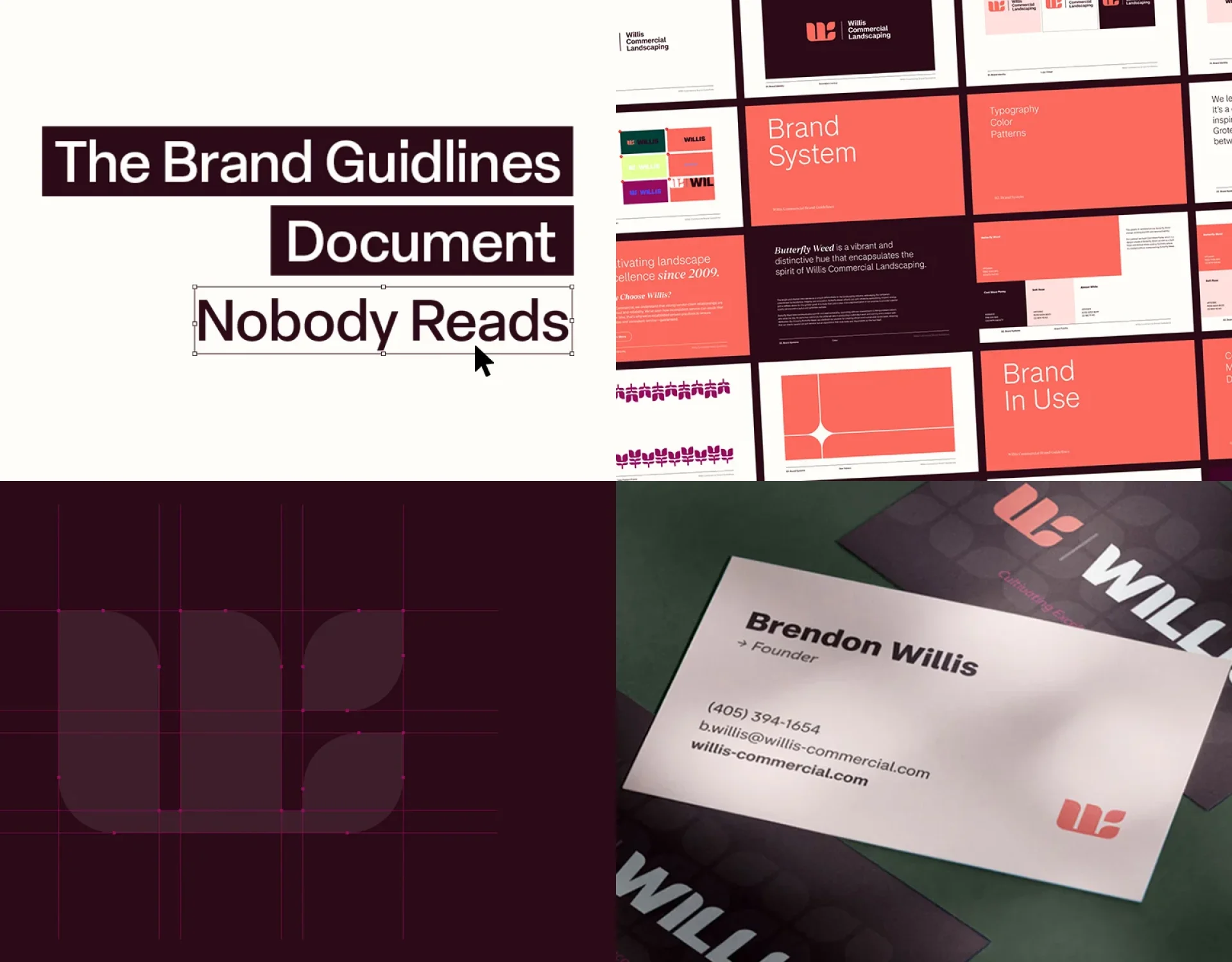
2D animation tends to win when the goal is clarity. It’s the format most explainer videos, onboarding walkthroughs, and brand story pieces are built in, and there’s a reason for that: 2D strips a concept down to its essentials. Flat shapes, simplified characters, and clean motion make it easy for a viewer to follow an idea without getting distracted by texture, lighting, or realism.
That simplicity also happens to be a budget advantage. 2D generally requires less production time than 3D — fewer moving technical parts, faster iteration on revisions, and a more forgiving process if the script changes mid-project (which, if you’ve been through a video production before, you know it usually does). If you’re a startup trying to explain a genuinely confusing product in 90 seconds, or a mid-sized company that needs a handful of videos across a quarter rather than one hero piece, 2D is very often the more practical call.
The tradeoff: 2D can feel “flatter” in a literal sense. If your brand is built around premium materials, physical products, or a sense of scale and depth, 2D sometimes struggles to convey that the way 3D does effortlessly.
What 3D Animation Actually Does Well
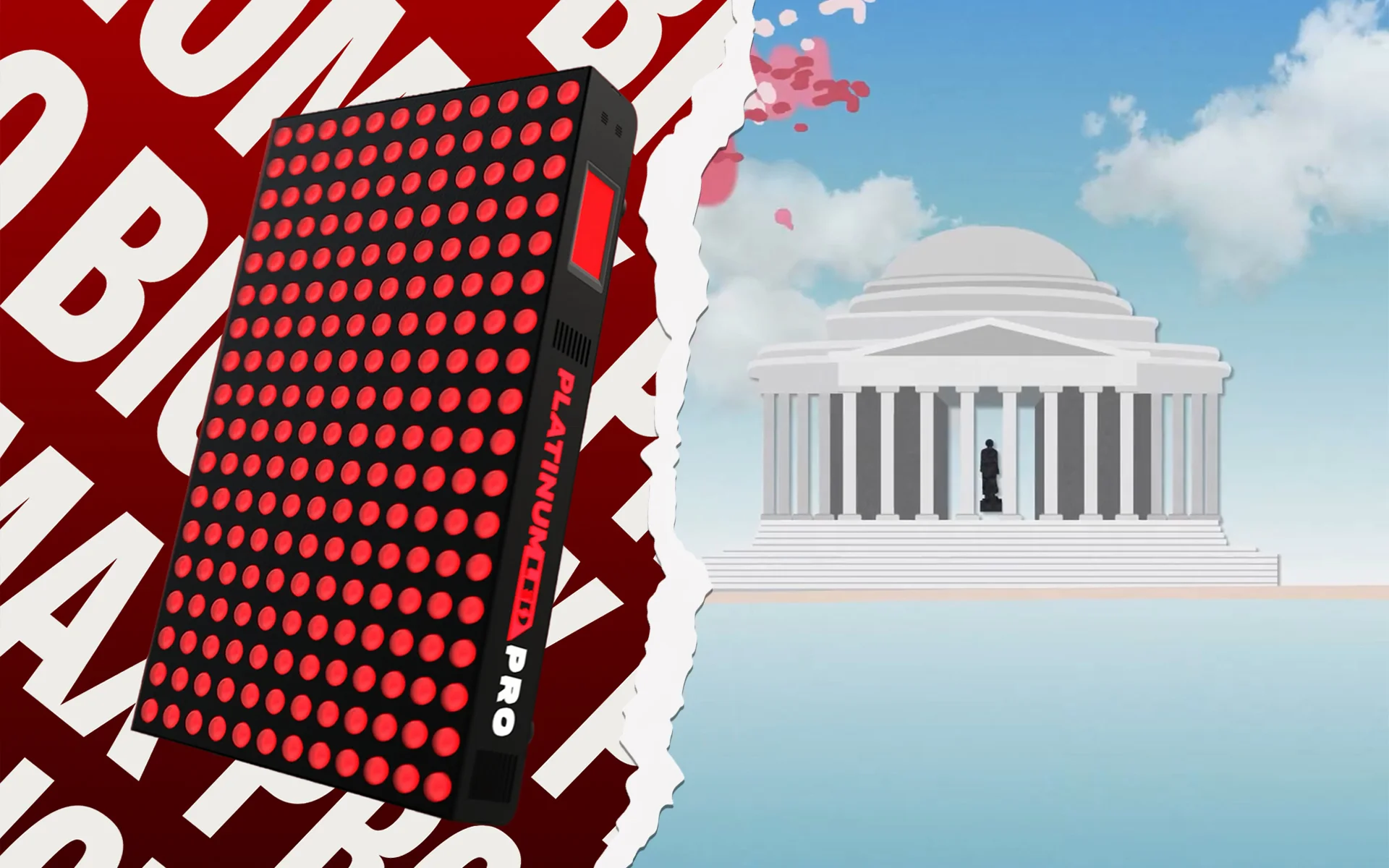
3D animation earns its higher price tag by doing things 2D structurally can’t. It renders depth, lighting, texture, and physical realism — which makes it the natural choice for product visualization, architectural walkthroughs, mechanical or technical demonstrations, and anything where the viewer needs to understand how something looks or works in three-dimensional space.
If you’re selling a physical product and want a customer to feel like they’re holding it, rotating it, seeing it in real light — that’s a 3D job. If you’re a manufacturer trying to show how a component fits inside a larger assembly, 2D can approximate it, but 3D can actually demonstrate it. There’s also a perception factor: 3D tends to read as more premium and more technically impressive, which matters if you’re in a category — luxury goods, advanced manufacturing, real estate — where visual sophistication is itself part of the pitch.
The tradeoff is real, though: 3D generally costs more and takes longer, and revisions later in the process (a color change, a new camera angle, an added element) are often more involved than they’d be in 2D. If your message is more about a concept than a physical thing, 3D’s extra fidelity can end up being expense you don’t actually need.
The Question That Actually Decides It
Instead of starting with “which style do I like,” start with this: is the thing I need to communicate conceptual, or is it physical?
If you’re explaining an idea, a process, a workflow, or a value proposition — something abstract that doesn’t have an inherent physical form — 2D is usually the more efficient and effective choice. Think SaaS explainer videos, internal training content, or a brand story about why you do what you do.
If you’re showing a real object, a physical environment, or something that depends on the viewer understanding spatial relationships — a product, a building, a machine — 3D usually earns its cost. Think product launch videos, architectural previews, or anything where “how it looks in real light” is part of the sell.
There’s also a hybrid path worth knowing about: plenty of strong videos blend 2D graphic elements (titles, icons, supporting motion graphics) with a 3D hero asset, getting the clarity of 2D and the visual weight of 3D without paying full 3D pricing across the entire runtime.
Budget Is a Legitimate Deciding Factor — Not a Compromise
There’s a tendency to treat budget constraints as something to apologize for, as if choosing 2D because of cost means settling for less. That’s the wrong frame. Plenty of the most effective explainer videos in the world are 2D, not because the client couldn’t afford 3D, but because 2D was genuinely the sharper tool for a message-first, concept-driven video.
The better question isn’t “what can we afford?” in isolation — it’s “what does this specific message need, and does the budget support that?” Sometimes those two questions land on 3D. Often, for brand and marketing content especially, they land squarely on 2D.
Bringing It to a Studio Conversation
Once you have a sense of which direction fits your message, the most useful next step is a real conversation with a team that works across both formats — not one that’s going to steer you toward whichever style they happen to specialize in. A studio that can show you range across 2D and 3D work can help you stress-test the decision against your actual goals, budget, and timeline before a single frame gets produced.
If you’re weighing the format question for an upcoming project, it’s worth talking through the specifics with a team that can tell you honestly which approach fits — even when that answer is the less expensive one.